
"coffee in 19th century China"
90 article(s) found

Coffee planting conditions Coffee planting techniques in China
In the 19th century, coffee was grown almost all over the country, followed by a coffee boom that lasted nearly a century. The extensive cultivation of coffee has brought wealth and prosperity to Brazil. At the beginning of the 20th century, Brazil accounted for more than 75% of the world's total coffee production, thus winning the reputation of the coffee kingdom. Coffee is one of the important pillars of Brazil's national economy. The whole country

China Taiwan Coffee Taiwan Coffee Origin Introduction
18th century, 1884 (Guangxu 10 years) British introduced coffee in Taipei Three Gorges trial planting, Japanese occupation era, Japanese see Taiwan climate soil suitable for coffee, so from abroad to introduce "Arabica", in the north trial success, then in Zhiben, Mizuho a large number of investment in planting, yield is good. 19th century, 1941, rich production, good quality flavor, creating coffee in Taiwan's victory period, not

Characteristics of Arabica beans Coffee producer China Taiwan Coffee beans China Taiwan
In the 18th century, Taiwan, China, in 1884 (Guang Xu's 10th year), the British introduced coffee to the three Gorges in Taipei. during the Japanese occupation, the Japanese saw that Taiwan's climate and soil were suitable for coffee, so they introduced "Arabica" from abroad and successfully planted it in the north. Mizuho invested a lot in planting and had a good yield. In the 19th century, in 1941, the output was rich, and the quality and flavor were good, which made coffee in Taiwan complete.

An introduction to the origin of Taiwan coffee in China
In the 18th century, in 1884 (Guang Xu's 10th year), the British introduced coffee to the three Gorges in Taipei. during the Japanese occupation, the Japanese saw that Taiwan's climate and soil were suitable for coffee, so they introduced "Arabica" from abroad and successfully planted it in the north. Mizuho invested heavily in planting and had a good yield. In the 19th century, in 1941, the output was rich, the quality and flavor was good, which made coffee in Taiwan's complete victory period. No.

Coffee producing area-- Taiwan, China
In the 18th century, in 1884 (Guang Xu's 10th year), the British introduced coffee to the three Gorges in Taipei. during the Japanese occupation, the Japanese saw that Taiwan's climate and soil were suitable for coffee, so they introduced "Arabica" from abroad and successfully planted it in the north. Mizuho invested heavily in planting and had a good yield. In the 19th century, in 1941, the output was rich, the quality and flavor was good, which made coffee in Taiwan's complete victory period. No.
Coffee Bean Asia China Taiwan
18th century, 1884 (Guangxu 10 years) British introduced coffee in Taipei Three Gorges trial planting, Japanese occupation era, Japanese see Taiwan climate soil suitable for coffee, so from abroad to introduce "Arabica", in the north trial success, then in Zhiben, Mizuho a large number of investment in planting, yield is good. 19th century, 1941, rich production, good quality flavor, resulting in coffee in Taiwan's victory period, soon
Coffee Origin Coffee Introduction China Taiwan
18th century, 1884 (Guangxu 10 years) British introduced coffee in Taipei Three Gorges trial planting, Japanese occupation era, Japanese see Taiwan climate soil suitable for coffee, so from abroad to introduce "Arabica", in the north trial success, then in Zhiben, Mizuho a large number of investment in planting, yield is good. 19th century, 1941, rich production, good quality flavor, creating coffee in Taiwan's victory period, not

Taiwan Fine Coffee Coffee grown in Taiwan delicious Taiwan Coffee
In the 18th century in Taiwan, China, in 1884 (the 10th year of Guang Xu), the British introduced coffee to the three Gorges in Taipei. during the Japanese occupation, the Japanese saw that Taiwan's climate and soil were suitable for coffee, so they introduced "Arabica" from abroad and successfully planted it in the north. Mizuho invested a lot in planting and had a good yield. In the 19th century, 1941, rich output, good quality and flavor led to the complete victory of coffee in Taiwan.
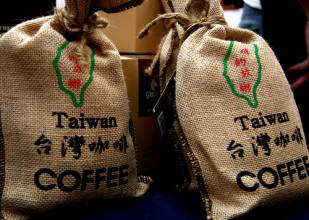
Asian Manor Taiwan coffee beans have good yield, high evaluation of flavor, high personality characteristics
China Taiwan 18th century, 1884 (Guangxu 10th year) British introduced coffee in Taipei Three Gorges trial planting, Japanese occupation era, Taiwan climate soil suitable for coffee, so from abroad to introduce "Arabica," in the north trial planting success, then in Zhiben, Mizuho a large number of investment in planting, good yield. 19th century, 1941, rich production, good quality flavor, creating coffee in Taiwan's whole

The source of coffee beans when did coffee beans become popular
Coffee beans became popular in China in the 19th century. There are many legends about the discovery of coffee beans in every country. One of them is according to Rothschild, a Roman linguist. Neroy (1613-1707) records: about the sixth century AD, an Arab shepherd Kardai saw each goat when he was herding sheep to the Isabian prairie.

When was Arabica Coffee introduced into China the Origin History of Arabica Coffee
Professional coffee knowledge exchange more coffee bean information Please follow the coffee workshop (Wechat official account cafe_style) Arabica is deeply loved by the Chinese with a short history of coffee contact because of its strong fruity aroma. it was introduced to China by missionaries in the 19th century and is widely planted in the dry-hot valley of the Jinsha River above sea level 1000 meters above sea level in Panzhihua, Sichuan and western Yunnan.
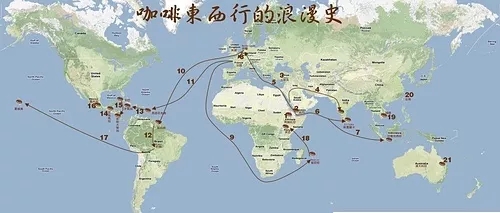
After reading the spread history of coffee, feel the romance of coffee traveling around the world.
Professional coffee knowledge exchange more coffee bean information Please pay attention to the coffee workshop (Wechat official account cafe_style) Coffee will become a world drink, is accompanied by the great navigation era of the 17th and 19th century, after three hundred years coffee beans, coffee seedlings planted all over the world, including the Netherlands, France brought coffee beans to colonization, newly developed regions of the Caribbean, Central and South America, the 19th century
Starting with Coffee beans (48)-Asia-Taiwan
In the 18th century, in 1884 (Guang Xu's 10th year), the British introduced coffee for trial planting in the three Gorges of Taipei. during the Japanese occupation era, the Japanese saw that Taiwan's climate and soil were suitable for coffee, so they introduced "Arabica" from abroad and successfully planted it in the north. Mizuho invested a lot in planting and had a good yield. In the 19th century, in 1941, rich output and good quality and flavor led to the complete victory of coffee in Taiwan.

Ten greatest inventions of Muslims: coffee and chess
When it comes to coffee, shampoo, checks, torpedoes and other terms, people are no stranger, but not everyone knows who invented these things. According to a report in Russia's Truth newspaper on December 19, these are included in the 10 greatest inventions of Muslims. The 10 inventions are: 1. Coffee: in Ethiopia, an Arab shepherd found it while herding sheep

Introduction of Coffee Origin-Asian "Sri Lanka, Bali, Yunnan, China"
For professional baristas, please follow the coffee workshop (Wechat official account cafe_style) Sri Lanka, formerly known as Ceylon. Sri Lankan black tea and Ceylon black tea refer to the same thing. In 1658, the Dutch grew coffee in Ceylon (present-day Sri Lanka), but the coffee was sufficient for economic development until the 19th century. At this time, Britain occupied Ceylon and launched a variety of cash crops.
In the 1850s, coffee was brought by missionaries to Vivetnam fruit-producing area of Guatemala's fine coffee.
In the 1850s, coffee was brought to Guatemala by missionaries. In the 19th century, with the invention of European synthetic dyes, Guatemala's original important export industry was hit, coffee gradually became an important export, and coffee cultivation gradually expanded. By the end of the 19th century, coffee had played an important role in the politics and economy of Guatemala, and large coffee farmers had a huge influence on the political situation.
A brief History of Coffee in the World (2)
The first European description of coffee in 1573 was through German doctors staying in Syria. In the second half of the 16th century, the European people who traveled on the east coast of the land gradually spread. The British East India Company was established in 1660 and the East India Company was established in the Netherlands in 1602. The East India Company refers to the trade between Asia and Europe, South Asia and the East in the 17th and 19th centuries.

The ten greatest inventions of Muslims include coffee, chess and checks.
When it comes to coffee, shampoo, checks, torpedoes and other terms, people are no stranger, but not everyone knows who invented these things. According to a report in Russia's Truth newspaper on December 19, these are included in the 10 greatest inventions of Muslims. The 10 inventions are: 1. Coffee: in Ethiopia, an Arab shepherd found it while herding sheep

The treatment of Arabica Coffee beans introduction to the Milling scale Manor in the region
Arabica is deeply loved by Chinese people with a short history of coffee contact because of its strong fruity aroma. it was introduced to China by missionaries in the 19th century and was widely planted in Panzhihua, Sichuan, and the dry-hot valley of the Jinsha River in western Yunnan, where the sunshine was long and there was a big temperature difference between day and night. The local people solved the problem of insufficient seasonal rainfall by diverting water up the mountain.

Rich fragrant Indonesian Java coffee flavor taste manor boutique coffee introduction
Indonesia is located in the Pacific earthquake belt, where thousands of large and small earthquakes occur every year. In 2006, several strong earthquakes occurred on the island of Java. On May 27, an earthquake measuring 5.9 on the Richter scale struck Yogyakarta and parts of Central Java province, killing more than 6000 people. On July 17, an earthquake measuring 6.8 on the Richter scale struck the Indian Ocean in southern Java and triggered a tsunami, causing heavy casualties. July nineteenth